
 By Dr. Adebunmi Akinbo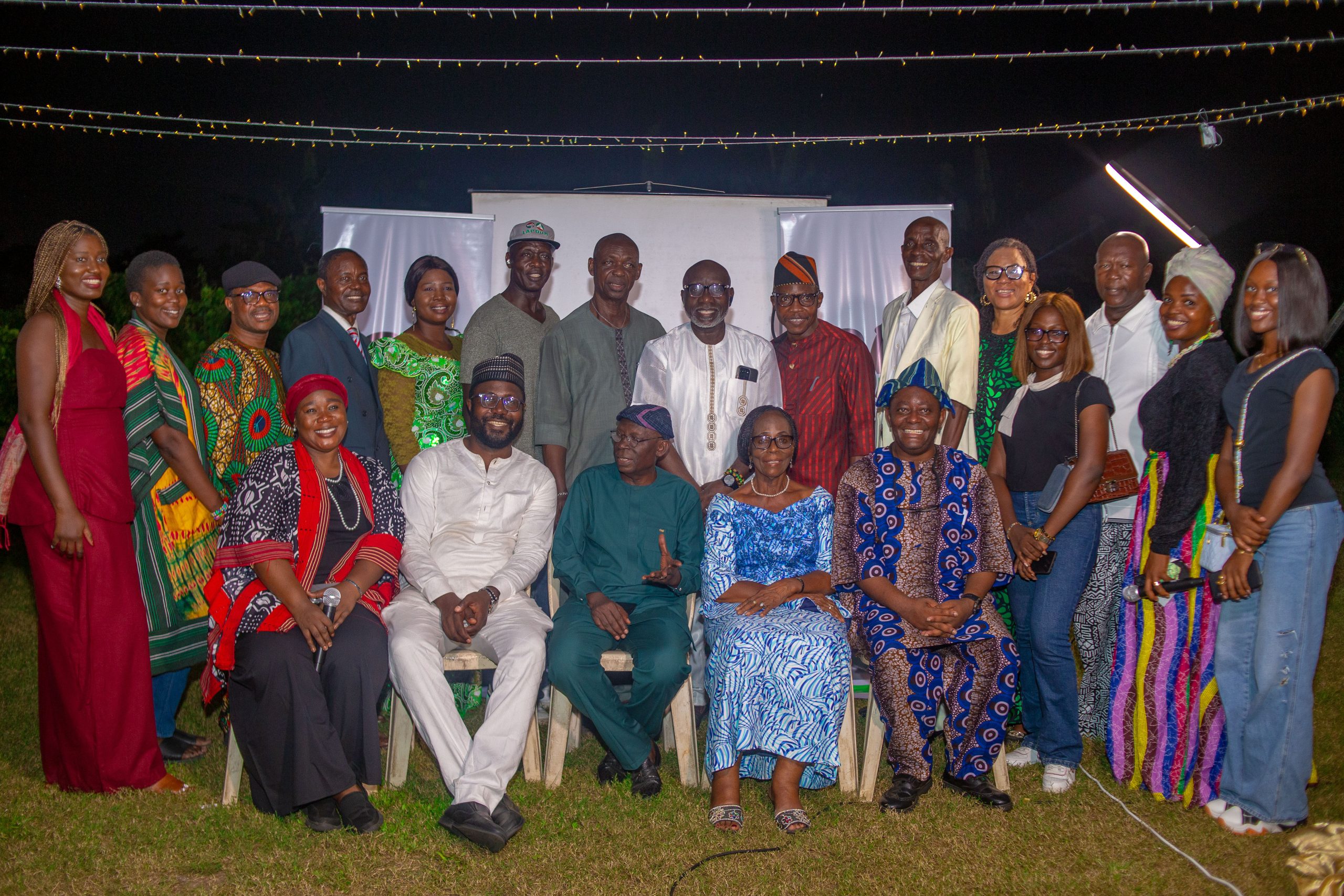
Legacy 1995, Nigeria’s premier historical and environmental interest group, has announced an ambitious project to digitise its extensive collection of Nigerian archives. The announcement was made by the group’s President, Taiye Olaniyi, during a gala event in Lagos marking the organization’s 30th anniversary.
Founded in 1995 to promote and preserve Nigeria’s culture and built heritage, the group is now pivoting toward technology to ensure that the historical records in its possession remain accessible to “generations unborn.”
Speaking at the anniversary celebration, Olaniyi emphasized that in an era dominated by Artificial Intelligence (AI) and robotics, manual archiving is no longer sufficient.
“We are in the world of digitisation and technology,” Olaniyi stated. “We cannot sit down with our hands folded because technology is evolving and advancing on a daily basis. We will continue to collaborate with international organisations to support our projects.”
The digitisation initiative has already seen significant progress through partnerships with the British Library and Oxford University. According to the President, parts of this research and digital transformation have already been presented to the management of the Nigerian Railway Corporation (NRC), which hosts the Legacy 1995 headquarters at the historic Jaekel House in Ebute Metta.
The Managing Director of the Nigerian Railway Corporation, Dr. Kayode Opeifa—represented by Dr. Monsurat Omotayo, Director of Human Resources and Admin—praised the group for its steadfastness. He noted that the partnership between the NRC and Legacy 1995 is vital as it tells the “history and story of the Nigerian Railway.”
Princess Kofo Adeleke, a former President of the group, echoed the sentiment, stressing that Nigeria’s rich heritage is a national asset that must be shielded from the “erasure” of time through digital backups.
On a broader cultural note, Professor Francis Falako of the University of Lagos highlighted the importance of religious history as a component of national identity, urging the government to place a higher priority on preserving religious archives, similar to international standards.
The event featured the unveiling of a new Legacy 1995 logo and the presentation of certificates to members who have supported the organization since its inception as a breakaway “rebel” preservation committee in 1993.
While the group began with a focus on historic buildings and monuments, its mission has expanded to include environmental advocacy and education. Olaniyi encouraged students in higher institutions to engage with the archives, challenging them to find new perspectives on Nigeria’s heritage.
“We are into history, heritage, and environmental development,” Olaniyi concluded. “At this tripartite level, there are ripple effects on everything we do as a nation.”
As Legacy 1995 enters its fourth decade, its digital archive stands as a testament to the belief that to move forward, Nigeria must first secure the records of where it has been.
